Your aorta is the largest artery in your body and carries oxygen-rich blood from your heart to every organ. When the aorta becomes enlarged (aneurysm), tears (aortic dissection), or develops other serious disease, prompt diagnosis and expert treatment are essential.
Dr. Idhrees, Senior Cardiovascular and Thoracic Surgeon with over 18 years of experience, provides advanced aortic surgery in Chennai — including open aortic surgery, minimally invasive endovascular repair (TEVAR and FEVAR), and complex aortic root and arch reconstruction. Every treatment plan is personalised to the patient's condition, overall health and long-term recovery goals.
What it is
What is aortic surgery?
Aortic surgery is a specialised cardiovascular procedure performed to repair or replace a damaged portion of the aorta, the body's main artery. The goal is to restore normal blood flow, prevent rupture, and reduce the risk of life-threatening complications such as stroke, organ damage or sudden internal bleeding.
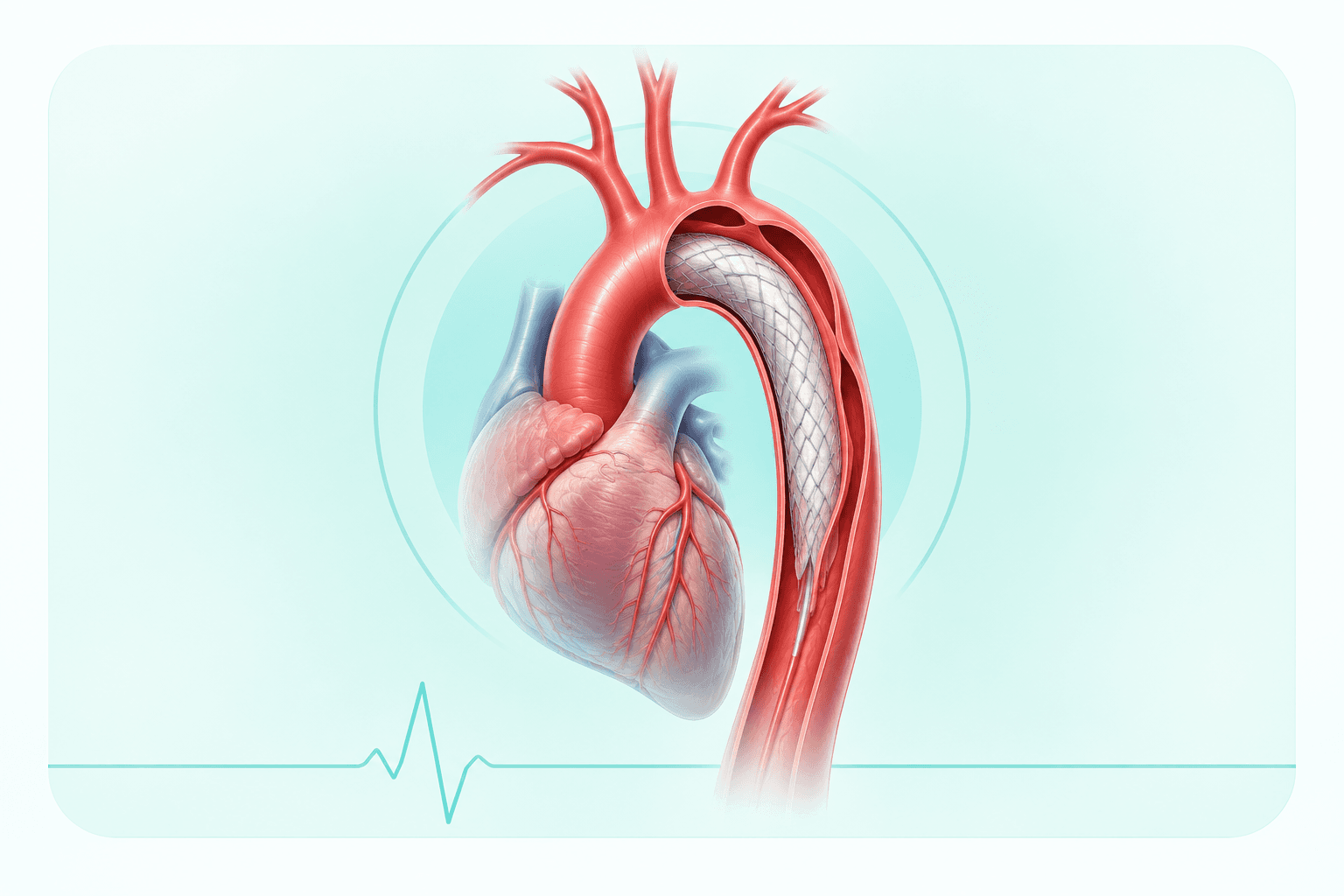
Depending on the condition, surgery may involve replacing the weakened section of the aorta with a durable synthetic graft, or reinforcing it from the inside using endovascular stent graft technology. Which of the two is appropriate depends on where the disease sits along the aorta, how the branch vessels are involved, and whether the aortic valve has to be addressed at the same time.
When it is needed
When do you need aortic surgery?
Your cardiothoracic surgeon may recommend aortic surgery when imaging shows that the aorta has enlarged significantly, is growing rapidly, or has developed a tear known as an aortic dissection.
Early intervention is often advised before complications occur, because planned surgery generally offers better outcomes than emergency treatment after a rupture. Where an aneurysm is small and stable, the right answer may instead be careful surveillance with blood pressure control and repeat scans — the decision balances the risk of operating against the risk of leaving the aorta alone.
Conditions that commonly require surgery include:
Ascending aortic aneurysm
Thoracic aortic aneurysm
Abdominal aortic aneurysm (AAA)
Thoracoabdominal aneurysm
Aortic root aneurysm
Acute Type A aortic dissection
Chronic Type B aortic dissection
Aortic valve disease associated with an enlarged aorta
Causes
Causes of aortic disease
The aortic wall is built to withstand the full force of every heartbeat. Several conditions weaken that wall over time, allowing it to stretch — and a weakened wall is also more likely to tear. Some causes are modifiable; others are inherited, which is why a family history of aortic disease matters at the first consultation.
High blood pressure (hypertension)
Atherosclerosis
Marfan syndrome
Connective tissue disorders
Congenital heart disease
Bicuspid aortic valve
Smoking
Previous chest injury
Genetic disorders affecting the blood vessels
Symptoms
Symptoms of aortic aneurysm and aortic dissection
Symptoms vary with the location and severity of the disease. Many aneurysms cause nothing at all and are found incidentally on a scan ordered for another reason. A dissection, by contrast, is usually sudden and severe.
Warning signs include:
Sudden severe chest pain
Back pain
Pain between the shoulder blades
Shortness of breath
Difficulty swallowing
Weakness or fainting
Cold or painful legs
Loss of consciousness
Sudden tearing chest or back pain, fainting, or a limb that turns cold and painful is a medical emergency. Go to the nearest emergency department immediately rather than waiting for a clinic appointment.
Types of surgery
Types of aortic surgery performed
The aorta is treated as a series of segments, and each segment calls for a different operation. The procedures below span the whole of it, from the root at the heart down to the abdominal aorta.
Ascending aortic surgery
Replacement of the first section of the aorta as it leaves the heart with a synthetic graft. This is the commonest site for an aneurysm associated with a bicuspid valve or a connective tissue disorder.
Aortic root replacement
Replacement of the aortic root together with the aortic valve, reattaching the coronary arteries to the graft. Used when the root itself is aneurysmal and the valve is also diseased.
Valve-sparing aortic root surgery
The root is replaced but your own aortic valve is preserved and resuspended inside the graft. Where the valve leaflets are healthy this avoids a prosthetic valve and, with it, lifelong blood thinners.
Aortic arch surgery
Repair of the curved segment that gives off the vessels to the brain and arms. Because those branches must be preserved, arch work needs specific techniques to protect the brain during the repair — including the frozen elephant trunk technique for extensive disease.
Descending thoracic aortic repair
Open replacement of the section of aorta running down through the chest, used when the anatomy is not suitable for a stent graft.
Thoracic endovascular aortic repair (TEVAR)
A stent graft is passed up from the groin and deployed inside the thoracic aorta, sealing the diseased segment from the inside without opening the chest.
Abdominal aortic aneurysm repair (EVAR)
The same endovascular principle applied to the abdominal aorta, delivered through the femoral arteries. Open repair remains the alternative where the neck of the aneurysm is unsuitable for a stent.
Fenestrated endovascular repair (FEVAR)
A stent graft made with openings aligned to the kidney and visceral arteries, allowing endovascular treatment of aneurysms that extend across those branches.
Emergency surgery for Type A aortic dissection
An acute tear in the ascending aorta is a surgical emergency and is operated on without delay. The torn segment is replaced to stop the tear extending back into the heart or into the vessels supplying the brain.
Open vs endovascular
Open aortic surgery vs endovascular repair
Neither approach is better in the abstract — they suit different anatomy. The comparison below describes what typically differs between the two.
Open aortic surgery
Endovascular repair
Incision
A chest or abdominal incision to expose the aorta directly
Small punctures or cuts in the groin to reach the femoral arteries
Hospital stay
Longer, including a planned period in intensive care
Shorter in most cases, with less time in intensive care
Recovery
Several weeks before normal activity, with lifting restrictions while the incision heals
A faster return to everyday activity
Suitability
Root, ascending and arch disease; younger patients; connective tissue disorders; anatomy unsuited to a stent
Descending thoracic and abdominal disease with a landing zone the stent can seal against; often preferred where other medical conditions make major surgery riskier
Main risks
Bleeding, stroke, kidney injury, chest infection and the general risks of major surgery
Access-vessel injury, leak around the graft (endoleak), stent migration and contrast-related strain on the kidneys
Durability and follow-up
A definitive repair, with routine long-term imaging
Requires lifelong surveillance imaging, and a further procedure is more often needed later
In practice the choice is made after reviewing your CT angiogram in detail. Some patients are best served by a hybrid plan that combines an open repair of one segment with a stent graft in another.
Recovery
Recovery after aortic surgery
Recovery is staged, and the timings below are typical rather than promised — they shift with the operation performed, your age and your general health. Endovascular repair sits at the shorter end of every stage.
Intensive care
You wake in intensive care with monitoring of blood pressure, heart rhythm and kidney function. Most patients spend one to two days there after open surgery, and often less after an endovascular repair.
Hospital stay
About a week in hospital is usual after open aortic surgery, and a shorter stay after stent grafting. You go home once the wound is settled, your blood pressure is stable on tablets and you are walking safely.
Getting moving
You will be helped out of bed and walking within a day or two. Early movement and the breathing exercises the physiotherapist teaches you are what protect against chest infection and clots.
Wound care
Keep the incision clean and dry, and report increasing redness, swelling, discharge or fever rather than waiting for the next appointment.
Medication
Blood pressure control is the single most important way of protecting the rest of your aorta, and those tablets are usually lifelong. You may also be prescribed a blood thinner, a statin and pain relief.
Follow-up imaging
Aortic disease needs lifelong surveillance. Repeat CT or MRI scans check both the repair and the untreated segments of the aorta — more frequently in the first year, then at longer intervals.
Cardiac rehabilitation
A supervised programme rebuilds your exercise capacity safely and sets out which activities to resume and when.
Work and lifestyle
Desk-based work is often resumed within about six to eight weeks after open surgery, and sooner after endovascular repair. Heavy lifting and straining exercise are restricted long term; stopping smoking and keeping blood pressure at target are permanent commitments.
Risks
Risks and complications
All major heart and aortic surgery carries risk, and it would be wrong to suggest otherwise. The recognised complications include bleeding, stroke, kidney injury, heart rhythm disturbance, chest infection, wound infection and — in operations on the descending aorta — injury to the blood supply of the spinal cord.
What reduces that risk is careful patient selection, detailed imaging and planning beforehand, modern surgical and brain-protection techniques, and structured follow-up afterwards. Your own risk depends on the segment being treated, whether the surgery is planned or an emergency, and your other medical conditions. It is discussed with you specifically, with your scans in front of you, before you consent.
Conditions
What this treats
Aortic Conditions
Aortic aneurysms, acute dissections and complex aortic arch disease.
Questions
Frequently asked questions
General guidance only. Timings and recommendations vary from patient to patient, and yours are confirmed at consultation.
What is the success rate of aortic surgery?
Results depend heavily on which segment of the aorta is treated, whether the operation is planned or an emergency for a dissection, and your other medical conditions — a planned repair in a fit patient and emergency surgery for a Type A dissection are very different situations. No single figure is meaningful across them. Dr. Idhrees will discuss the outlook for your specific anatomy and health at consultation.
How long does aortic surgery take?
An endovascular repair often takes two to three hours. Open surgery on the ascending aorta or arch is longer — commonly five to eight hours or more — because the repair is more extensive and includes measures to protect the brain. Your family will be given an expected duration on the day.
Is aortic surgery painful?
You are fully asleep during the operation. Afterwards there is soreness around the incision and chest, managed with regular pain relief, and it usually improves substantially within the first week or two. Tell the nursing team if your pain is not controlled — staying comfortable is what makes it possible to walk and do the breathing exercises that speed recovery.
Can an aneurysm come back after surgery?
The section that has been replaced or stented does not become aneurysmal again. The rest of your aorta remains at risk, though, and a new aneurysm can develop elsewhere along it. That is exactly why lifelong blood pressure control and surveillance imaging matter after surgery.
How long will I stay in the ICU?
One to two days is usual after open aortic surgery. After an endovascular repair it is often a single overnight stay, and sometimes none. A longer stay simply means the team wants closer monitoring for a while.
What should I eat after aortic surgery?
A heart-healthy pattern: plenty of vegetables, fruit, whole grains, pulses and fish, with limited salt, fried food and processed meat. Cutting down on salt matters particularly, because it helps keep your blood pressure at target. If you are on warfarin, keep your intake of green leafy vegetables steady rather than avoiding them, and follow the dietary advice issued with your anticoagulant.
What activities should I avoid during recovery?
Avoid lifting anything heavy, pushing or pulling with your arms, and straining while the incision and breastbone heal — typically for six to twelve weeks after open surgery. Long term, heavy weight training and activities involving sudden straining are discouraged in aortic patients. Walking is encouraged from the start.
Is TEVAR better than open surgery?
It is not better, it is different. TEVAR avoids opening the chest and offers a quicker recovery, which makes it attractive for descending thoracic disease and for patients who would tolerate major surgery poorly. It needs suitable anatomy for the stent to seal against, and it commits you to lifelong surveillance scans with a higher chance of a further procedure later. Open repair remains the right answer for root, ascending and many arch problems.
Can I travel after aortic surgery?
Short journeys by car are usually fine once you are comfortable. For flying, ask the team at your first follow-up — most patients are cleared after a few weeks, once the wound has healed and the clot risk of the early recovery period has passed. Move about and stay hydrated on long flights.
How often do I need follow-up scans?
Typically a scan before or shortly after discharge, again at around six and twelve months, then at intervals of one to two years if everything is stable. Endovascular repairs are watched more closely. The schedule is lifelong, and keeping to it is the main way a problem is caught while it is still straightforward to treat.
Should my family be screened?
Often, yes. Aneurysms and dissections can run in families, particularly where there is a connective tissue disorder or a bicuspid aortic valve. If you have been treated for aortic disease, mention your first-degree relatives at consultation so that screening and, where appropriate, genetic assessment can be arranged.
The information on this page is general and is not a substitute for medical advice. Treatment suitability, timings and recovery are decided case by case after clinical assessment. If you are weighing up surgery, ask about a second opinion.
Related Treatments
Other cardiac and aortic procedures offered by Dr. Idhrees.
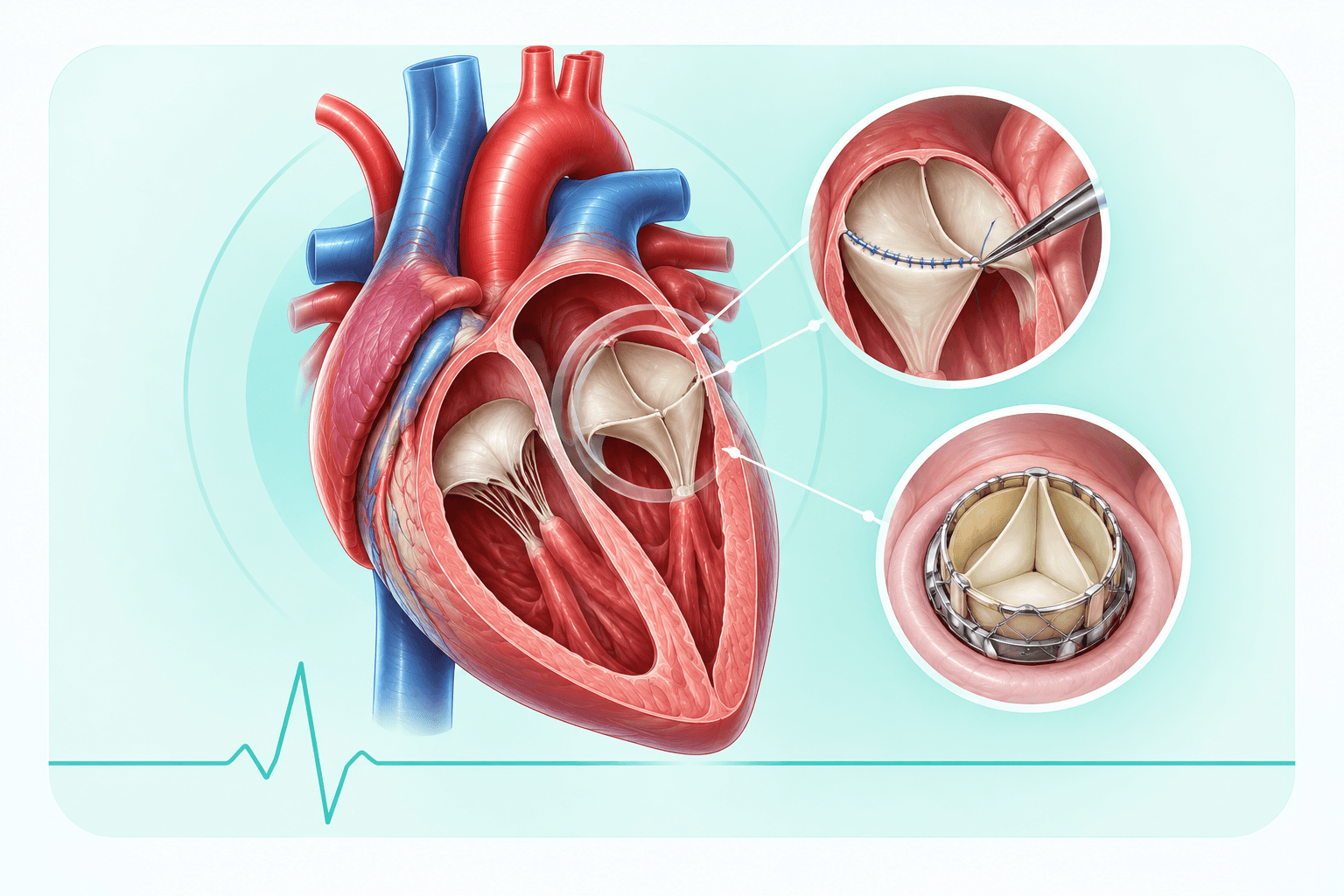
Heart Valve Repair & Replacement
Expert surgical repair and replacement of damaged or diseased heart valves — including mitral, aortic, and tricuspid valve surgery — restoring normal heart function with a focus on long-term durability.
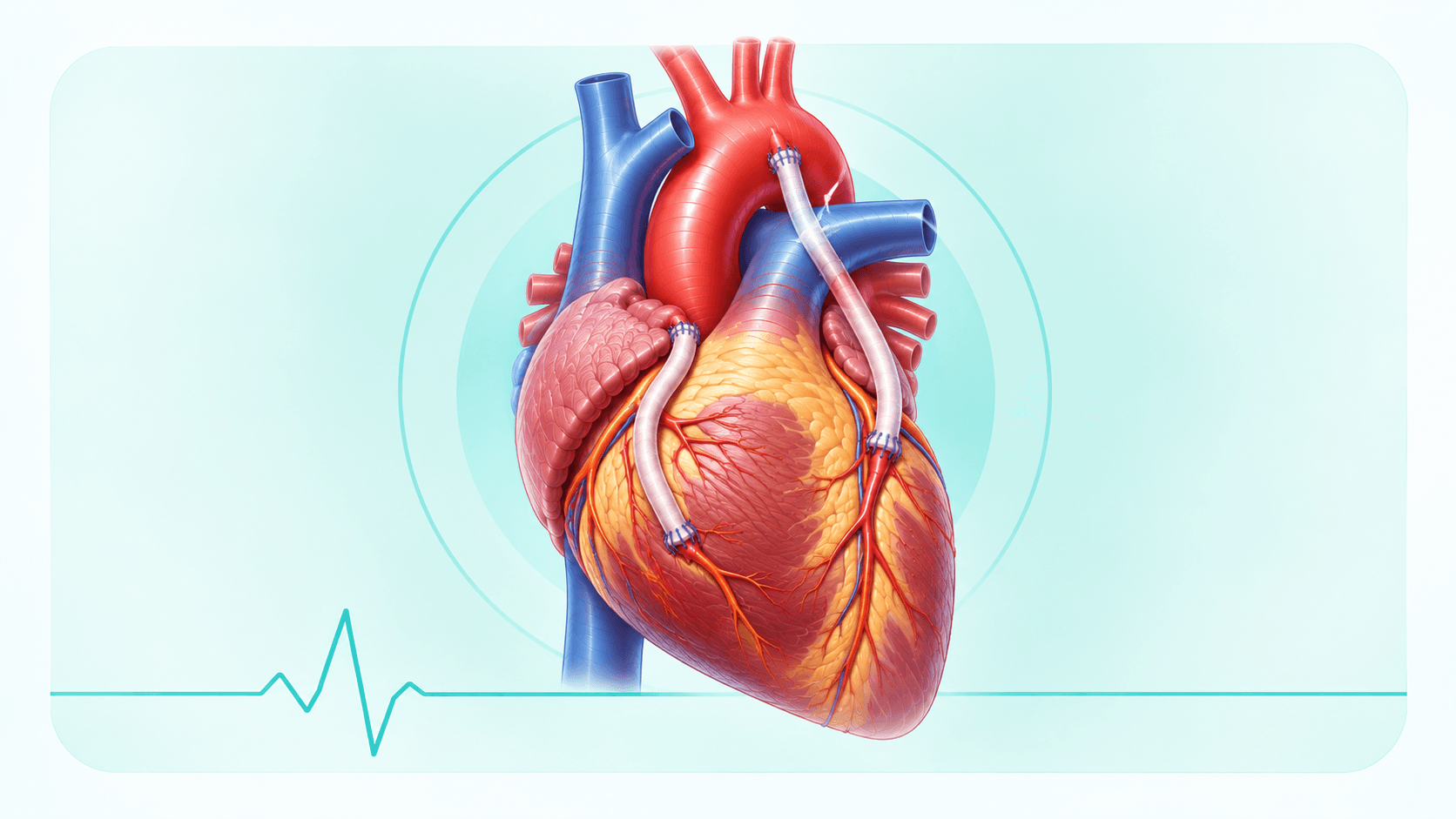
Dr. Idhrees performs advanced coronary artery bypass grafting (CABG) to restore healthy blood flow to the heart in patients with blocked coronary arteries, using both conventional and beating-heart (off-pump) techniques for faster recovery.