
gratis slot spielen ohne anmeldung — exklusive Neuheiten 2026
gratis slot spielen ohne anmeldung bieten nicht nur Unterhaltung, sondern auch die Chance auf große Gewinne. Die Vielzahl an Einsatzmöglichkeiten und Bonusrunden sorgt für Spannung bei jedem Spin. Ein wesentlicher Aspekt, der oft übersehen wird, ist die gratis slot spielen mit bonus, die langfristige Rentabilität beeinflusst.
Siehe auch:
- Typische Slot-Boni und Umsatzbedingungen
- Mit gratis slot spielen ohne download zum Erfolg am Spielautomaten
- So sehen moderne Online-Spielautomaten aus
- Lohnt sich gratis slot spielen ohne download für Sie?
- gratis slot spielen ohne download: Vor- und Nachteile
- Tipps zur Budgetkontrolle beim Spielen von Spielautomaten
Typische Slot-Boni und Umsatzbedingungen
- €150 + 37% Bonus
- €1000 + 500 Freispiele
- 100 Freispiele mit Einzahlung
- 50x Durchspiel in 21 Tagen
- 50x Durchspielanforderung
- 35x Wettanforderung
Mit gratis slot spielen ohne download zum Erfolg am Spielautomaten
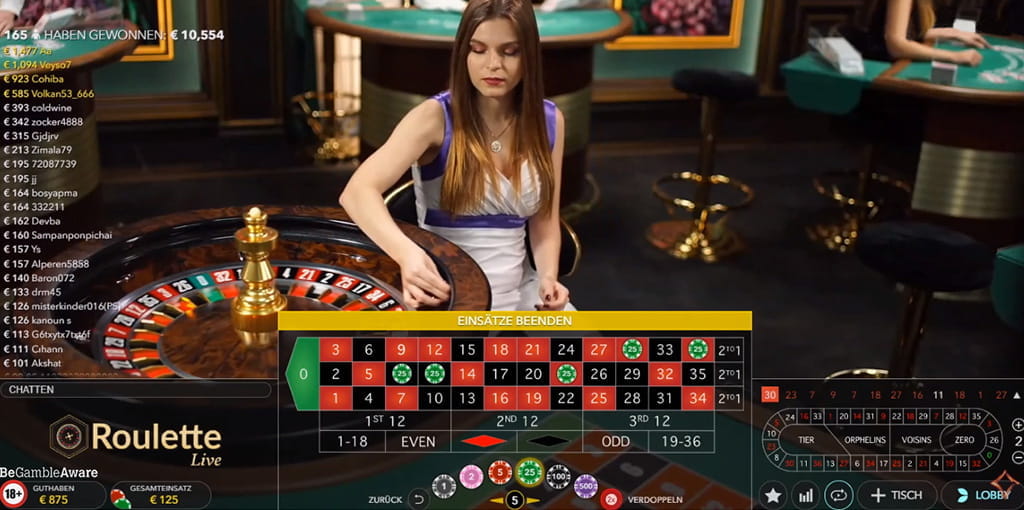
So sehen moderne Online-Spielautomaten aus
Lohnt sich gratis slot spielen ohne download für Sie?
["The garden was a masterpiece of empirical chaos, a living laboratory where each plant defied the tidy categorizations of horticultural guides. The morning light filtered through the canopy of a sprawling oak, dappling the undergrowth with a thousand shifting coins of gold. Beneath it, a carpet of moss crept over the roots, forming a velvet topography that invited the barefoot wanderer to trace its contours. Ferns unfurled their fronds in slow motion, each spiral a perfect logarithmic curve that had been mathematically determined by generations of evolutionary pressure. To the east, a clump of lavender released its scent only when brushed by the wind or the wing of a passing bee, the volatile oils evaporating into the air and creating a olfactory aura that changed with the temperature and humidity. The bee, a plump bumblebee striped in black and yellow, worked with a mechanical precision, its legs laden with pollen baskets that would later become honey, though the bee itself was unaware of the future product; it responded only to the immediate nectar reward, its behavior shaped by millennia of natural selection. Nearby, a patch of wild strawberries sprawled across the soil, their runners sending out clones that rooted themselves inches away from the parent, a form of asexual reproduction that ensured the genetic lineage continued even if pollinators failed. The fruits themselves were tiny, no larger than the tip of a finger, but their flavor concentrated the essence of summer into a burst of sweetness and acidity that could not be replicated in any grocery store. A spider had woven an orb web between two stalks of a rose bush, the silk glistening with dew that refracted light into miniature rainbows. The spider, a cross orbweaver, sat at the center of its web, its eight eyes scanning for vibrations that would indicate a trapped insect. When a fly blundered into the sticky threads, the spider would rush out and wrap it in silk within seconds, turning the prey into a living package that would be consumed later. The web itself was a structural marvel, each radial thread tensioned precisely to distribute the impact of prey, while the spiral threads were coated with glue that could hold prey many times the spider’s weight. Above the garden, a red-tailed hawk circled in the thermals, its keen eyesight capable of spotting a mouse from half a mile away. The hawk’s wings were broad and powerful, each feather overlapping in a pattern that minimized turbulence and allowed for efficient soaring. Its flight muscles were packed with mitochondria, fueled by the fat reserves it had built up from months of hunting. Below, the mouse it sought was hidden in a tunnel system beneath the pile of compost, a network of chambers lined with shredded leaves and grass that provided insulation and camouflage. The mouse’s whiskers twitched, sensing the air currents for the scent of the hunter, its heart rate elevated by the constant threat. The compost pile itself was a microbiome of decomposition, a stew of bacteria, fungi, and invertebrates that broke down kitchen scraps and yard waste into rich humus. The temperature at the core could reach 160 degrees Fahrenheit, driven by the metabolic heat of billions of microorganisms. Earthworms burrowed through the matrix, ingesting soil and organic matter and excreting castings that were rich in nutrients and beneficial microbes. Their movement aerated the pile, allowing oxygen to penetrate the depths and preventing anaerobic conditions that would produce foul odors. The black soldier flies laid their eggs on the surface, and the larvae that hatched were voracious consumers of organic waste, their gut bacteria helping to break down tough cellulose. The adults, which resembled slender wasps but were harmless, mated and died within a week, their bodies becoming food for the decomposers. The entire garden was a system of loops, where waste from one organism became food for another, and energy flowed from the sun through photosynthesis into plants, then into herbivores, then into predators, and finally into decomposers that returned the nutrients to the soil. The roses, for instance, absorbed nitrogen from the soil through their roots, but that nitrogen had come from the decomposition of previous generations of plants and animals, perhaps from a sparrow that had died years ago. The petals of the roses were a deep crimson, each one a layered structure of cells that reflected red light while absorbing other wavelengths, a trick of physics that made the flower appear to glow. The thorns, which were modified branches, served as a defense against herbivores, their sharp points designed to pierce the skin of any animal that tried to take a bite. But some insects had evolved to circumvent this defense, like the rose aphid, which inserted its needle-like mouthparts into the phloem of the plant and sucked out the sap, weakening the rose. The aphids were in turn farmed by ants, which protected them from predators in exchange for honeydew, a sugary excretion that the ants collected and carried back to their nest. The ants’ nest was a complex underground city, with tunnels that connected chambers for the queen, the brood, and food storage. The worker ants followed pheromone trails laid down by earlier foragers, their antennae constantly sampling the chemical cues that told them where to find food or enemies. The nest temperature was regulated by the ants’ own body heat and by the location of the chambers relative to the surface; in winter, they would retreat to the deeper chambers to avoid freezing. The ant colony was a superorganism, where the individuals acted as cells in a larger body, their behaviors coordinated by chemical signals and by the genetic imperative to propagate the queen’s genes. And all of this, from the hawk to the microbes, was contained within the boundaries of the garden, a microcosm of the larger ecosystem that stretched across the continent. The garden was not static; it changed with the seasons, with the weather, with the cycles of life and death. A fallen branch would slowly rot, hosting a succession of fungi that would eventually break it down into soil. A patch of sunlight would shift as the oak grew, causing dormant seeds to germinate and new plants to thrive. The garden was a story written in the language of biochemistry, physics, and evolution, and every detail was a clue to the larger narrative of life on Earth. The fragrance of the lavender, the structure of the spider’s web, the flight of the hawk, the decomposition of the compost—all were processes that had been refined over billions of years, honed by the relentless force of natural selection. And yet, for all the science, there was also a beauty that transcended analysis, a harmony that resonated with the human soul. The garden was a place where the boundaries between the self and the world blurred, where one could lose track of time and become simply a part of the pattern. It was a reminder that we are all made of the same atoms, that we are all connected in the web of life, and that our own existence is a brief, fleeting moment in the grand sweep of evolution. The garden did not care about our worries or our ambitions; it simply existed, growing, decaying, and growing again, an endless cycle that had been repeating for eons.
Bei der Bewertung von gratis slot spielen ohne anmeldung spielen auch die Zahlungsmethoden eine Rolle.
gratis slot spielen ohne download: Vor- und Nachteile
Was sind Paylines und wie funktionieren sie bei Online-Slot-Spielen?
Paylines sind die Linien, auf denen Gewinnkombinationen von Symbolen erscheinen müssen. Je mehr Paylines aktiviert sind, desto höher sind die Gewinnchancen, aber auch der Einsatz pro Drehung steigt.
Wie beeinflussen Volatilität und RTP meine Gewinnchancen bei Spielautomaten?
Die Volatilität gibt an, wie oft und wie hoch Auszahlungen erfolgen – niedrige Volatilität bedeutet häufige kleine Gewinne, hohe Volatilität seltene grosse Gewinne. Der RTP (Return to Player) ist der theoretische Prozentsatz, den ein Slot über lange Zeit an die Spieler zurückzahlt; je höher der RTP, desto besser die langfristigen Chancen.
Welche Bonusfunktionen gibt es bei Online-Slots und wie löse ich sie aus?
Typische Bonusfunktionen sind Freispiele, Wild-Symbole, Multiplikatoren und Bonusspiele. Sie werden meist durch das Erscheinen von Streu-Symbolen (Scatter) oder speziellen Bonus-Symbolen auf den Walzen ausgelöst.
Was bedeuten die Walzen und Reihen bei einem Slot-Spiel?
Walzen (Reels) sind die vertikalen Spalten, die sich drehen und Symbole anzeigen. Reihen (Rows) sind die horizontalen Zeilen. Standard sind 5 Walzen und 3 Reihen, aber es gibt viele Variationen, die das Spielerlebnis verändern.
Wie funktionieren Jackpots bei Spielautomaten und welche Arten gibt es?
Jackpots sind grosse Gewinnsummen, die entweder fix (fester Betrag) oder progressiv (steigt mit jedem Einsatz) sein können. Progressive Jackpots werden oft über mehrere Casinos vernetzt und können Millionenbeträge erreichen.
Welche Rolle spielen Software-Anbieter bei der Qualität von Online-Slots?
Software-Anbieter wie NetEnt, Microgaming oder Play’n GO entwickeln die Spiele und bestimmen Grafik, Spielmechanik und Fairness. Renommierte Anbieter garantieren hohe Qualität, Zufälligkeit und regelmässige Auszahlungen.
Tipps zur Budgetkontrolle beim Spielen von Spielautomaten
Glücksspiel ist nur für Erwachsene ab 18 Jahren gestattet. Online-Casinos in der Schweiz unterliegen der Aufsicht einer nationalen Regulierungsbehörde. Nutzen Sie die von den Betreibern angebotenen Selbstausschlussmöglichkeiten, um Ihr Spielverhalten zu kontrollieren. Setzen Sie sich persönliche Einzahlungs- und Zeitlimits und spielen Sie ausschliesslich zu Unterhaltungszwecken – nicht, um Verluste zu jagen. Falls Sie Hilfe benötigen, wenden Sie sich an eine lokale Beratungsstelle für Spielsucht.
tipico casino österreich — Gewinnstrategien | tipico casino